
12 October . 2026
What makes Puget Sound weather so weird: Mountains, convergent zones, and microclimates
Around here, the weather may be unpredictable, but it certainly isn't boring.
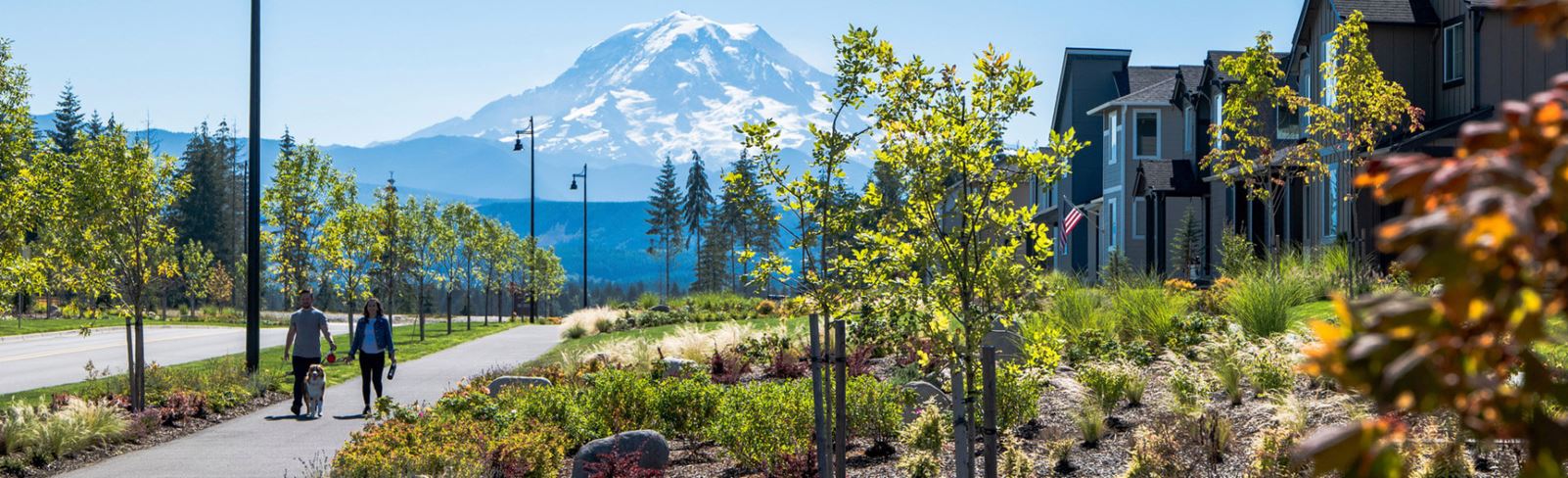
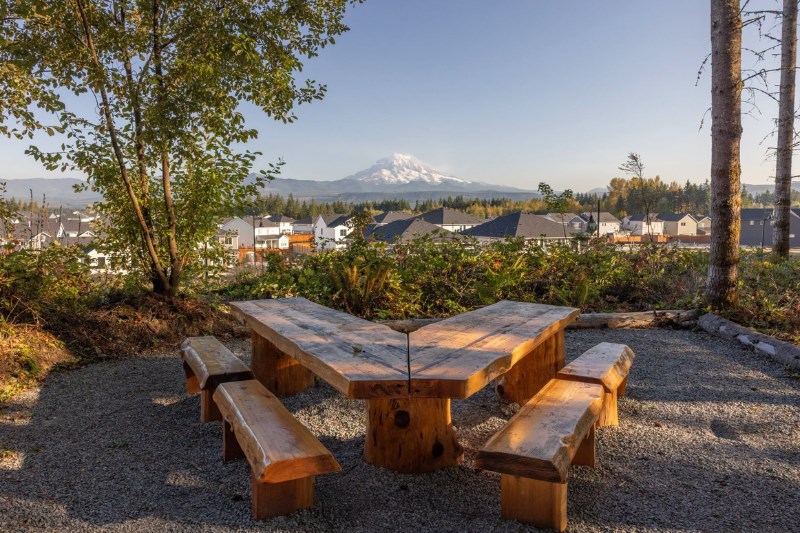
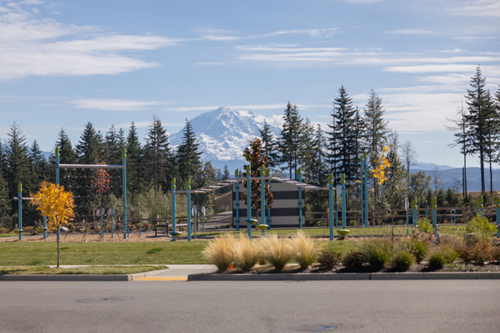
In Tehaleh, the changing seasons offer plenty of reasons to get outside, whether you're enjoying sunshine beneath the evergreens on your afternoon walk, watching clouds gather around Mount Rainier at one of our 18 unique parks, or discovering just how beautiful a forest can be on a misty morning right from your kitchen window.
But why does the weather change so dramatically from one place to the next? How can one neighborhood enjoy blue skies while another, just a few miles away, gets absolutely drenched?
The answer lies in the extraordinary collection of mountains, waterways, valleys, and forests that make up this special corner of Washington. All of them have a hand in what happens overhead.
And strangely enough, that unpredictable combination is part of what makes the Pacific Northwest such an appealing place to call home.
The Geography Is Running the Show
To the west, you've got the Pacific Ocean and the Olympic Mountains. To the east, the Cascade Range rises dramatically above the lowlands. Between them sits Puget Sound, an enormous network of saltwater inlets, islands, and waterways.
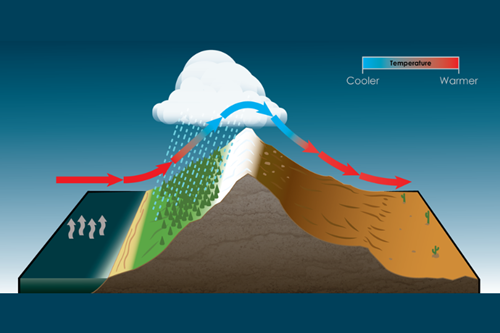
Much of our weather arrives from the Pacific, carrying moisture inland. When that air encounters mountains, it gets pushed upward. As it rises, it cools, allowing water vapor to condense into clouds and precipitation. Meteorologists call this orographic lift.
The Olympic Mountains intercept some of that moisture, creating famously wet conditions on their western slopes. On the other hand, descending air can become warmer and drier, producing what's known as a rain shadow. That's one reason places like Sequim receive considerably less rainfall than many other communities in western Washington.
Then there's the Cascade Range, which creates another substantial barrier. As moist air moves toward the mountains, it can produce rain in the foothills and snow at higher elevations.
Meanwhile, all that surrounding water helps moderate temperatures. Compared with many inland locations at similar latitudes, the Puget Sound lowlands generally experience milder winters and less extreme summer heat.
In other words, the mountains are rearranging the clouds while the water is helping regulate the thermostat.
The Puget Sound Convergence Zone: When Winds Collide
Here's where things get interesting.
Imagine a stream flowing toward a large boulder. The water splits around either side before rejoining downstream. Something similar can happen when winds encounter the Olympic Mountains.
Under the right conditions, incoming air separates into two streams, one traveling around the northern side of the mountains and the other around the southern side. When those streams meet again east of the Olympics, they push air upward, encouraging cloud formation and precipitation.
This phenomenon is called the Puget Sound Convergence Zone, and it's responsible for some wonderfully peculiar weather.
The zone frequently develops around northern Seattle and southern Snohomish County, although its exact location shifts depending on wind conditions. It can produce intense rain showers, thunderstorms, and occasionally surprisingly localized snowfall.
One community might be enjoying a perfectly ordinary afternoon while another, just a short drive away, is getting absolutely drenched.
Not every surprise shower is caused by the convergence zone, of course. But it's a spectacular example of how the region's geography can create weather patterns that don't behave like one big blanket of rain moving across the map.
Microclimates: Your Neighbor's Weather May Vary
The mountains explain the big picture, but there's another reason Puget Sound weather can seem so inconsistent: microclimates.
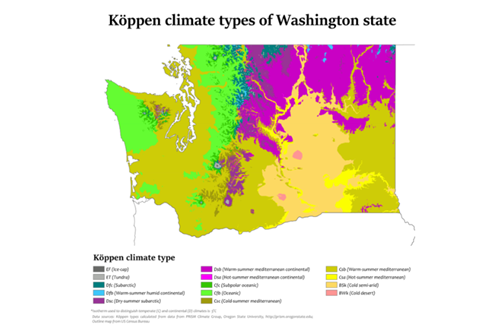
A microclimate is simply a localized area with climate conditions that differ from its surroundings. Elevation, vegetation, slopes, nearby water, and the shape of the land can all make a difference.
Think about the variety of landscapes surrounding Puget Sound.
Waterfront communities benefit from the temperature-moderating influence of nearby water. Forested neighborhoods can remain cooler and shadier on sunny days. Valleys may collect cold air overnight, creating pockets of fog or frost. Higher elevations can experience cooler temperatures and different precipitation patterns than communities closer to sea level.
Sometimes these differences are subtle. Other times, they're the reason one place gets snow while another gets rain.
Tehaleh offers a particularly interesting place to observe these effects. Situated near Bonney Lake in the Cascade foothills, the community is surrounded by forests, rolling terrain, and mountain landscapes. Those geographic features help shape the local experience of changing seasons.
It's a good reminder that a regional forecast is exactly that: regional.
Wait, Isn't It Supposed to Rain All the Time?
Ask someone who's never visited Washington to describe the weather, and there's a reasonable chance they'll mention rain. Lots of rain.
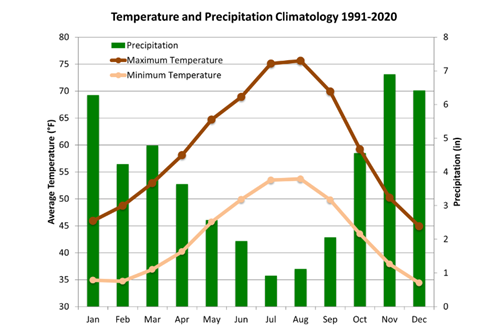
The reputation isn't entirely undeserved. Western Washington experiences a lengthy wet season, and gray skies are a familiar companion from autumn through spring.
But here's the part that surprises many newcomers: our summers can be remarkably dry.
Unlike much of the eastern United States, where summer thunderstorms and humid afternoons are common, western Washington typically receives a large share of its annual precipitation during the cooler months.
By July and August, sunny stretches and extended periods without significant rainfall are common. The same region that spent winter collecting rain clouds suddenly becomes an excellent place for hiking, biking, foraging berries, picnicking, and spending long evenings outdoors.
And even during the rainy season, precipitation isn't always the dramatic downpour people imagine. Much of the familiar wet-weather experience involves lighter rain, drizzle, and persistent cloud cover.
Of course, there are tradeoffs. Winter grey skies can wear on people; summer heat waves do happen, and wildfire smoke can occasionally affect air quality.
Still, for someone arriving from a region with brutally hot, humid summers or prolonged periods of bitter winter cold, western Washington's relatively moderate lowland climate can be a welcome change.
The Pacific Northwest hasn't eliminated uncomfortable weather. It's simply assembled a rather unusual collection of it.
Familiar Forecasts
Part of what makes this region appealing to newcomers is that its landscapes can feel familiar and completely different at the same time.
Someone moving from western North Carolina might recognize the forested foothills, misty valleys, and mountains disappearing into clouds. A Northern California transplant may appreciate the mild coastal influences and dry summer weather. Visitors from the Midwest are certain to love the solitude on the lakes.
But Puget Sound puts these ingredients together in a distinctive way.
There aren't many places in the country where an inland sea sits between two mountain ranges, producing such a remarkable variety of weather within relatively short distances.
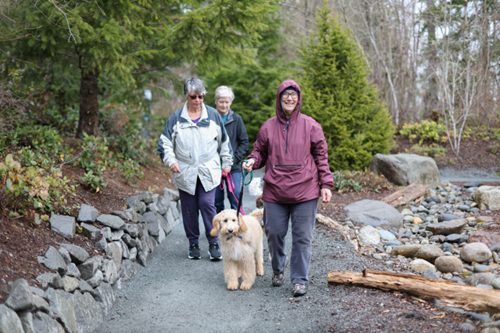
The landscape changes with the seasons, but outdoor life doesn't necessarily stop when the calendar turns to November.
Sometimes it just requires different shoes.
Why the Weird Weather Is Worth It
It's easy to complain about an inaccurate forecast. Less easy, perhaps, is imagining the Pacific Northwest without the weather that helps make it what it is.
Seasonal rainfall supports the towering evergreens, moss-covered branches, ferns, and lush understory that give western Washington forests their unmistakable character. Mountain snow helps sustain rivers and streams as temperatures rise. The shifting seasons bring foggy mornings, brilliant summer evenings, colorful autumn walks, and the occasional winter wonderland.
For communities like Tehaleh, where wooded trails and neighborhood parks are woven into everyday life, those changes become part of the experience of living here.
A familiar trail can look completely different depending on the month, the hour, or even which direction the clouds happen to be traveling.
And perhaps that's one reason people continue moving to the Pacific Northwest from across the country. They're not necessarily looking for perfect weather. They're looking for the landscapes, outdoor opportunities, and seasonal experiences that come with it.
The Outlook? Expect a Little of Everything
So the next time you check the forecast, see rain, and step outside into sunshine, remember that there's a perfectly reasonable scientific explanation.
Well, there are several explanations, actually. And they involve mountains, shifting winds, elevation, enormous bodies of water, and the occasional atmospheric traffic jam.
That's part of the fun of living here. The weather might keep you guessing, but it also helps create the landscape that makes this region so extraordinary.
Want to experience the Pacific Northwest lifestyle for yourself? Visit the Tehaleh Welcome Center and discover a community where nature is part of everyday life!